Our work
A clinic day, start to finish
Four programmes run off one vehicle and one team. This is what happens when that vehicle stops in a village, and what carries on after it leaves.
Thursday 11 September — Selela
- 05:40Load the vehicle at Njiro Road — cold box, surgical packs, generator
- 06:10Leave Arusha
- 07:25Arrive Selela, set the table in the village square
- 07:40First dog on the register
- 09:00Surgery tent opens, two surgeons
- 12:30Door-to-door team leaves for the compounds
- 16:00Last surgery, recovery under the tarpaulin
- 18:15Dogs discharged to their households
- 19:40Back in Arusha. Records entered the same night
A typical day: 92 dogs vaccinated, 20 sterilised, 6 treated for wounds or mange, 2 held overnight.
The day
Agree the ward, then count it
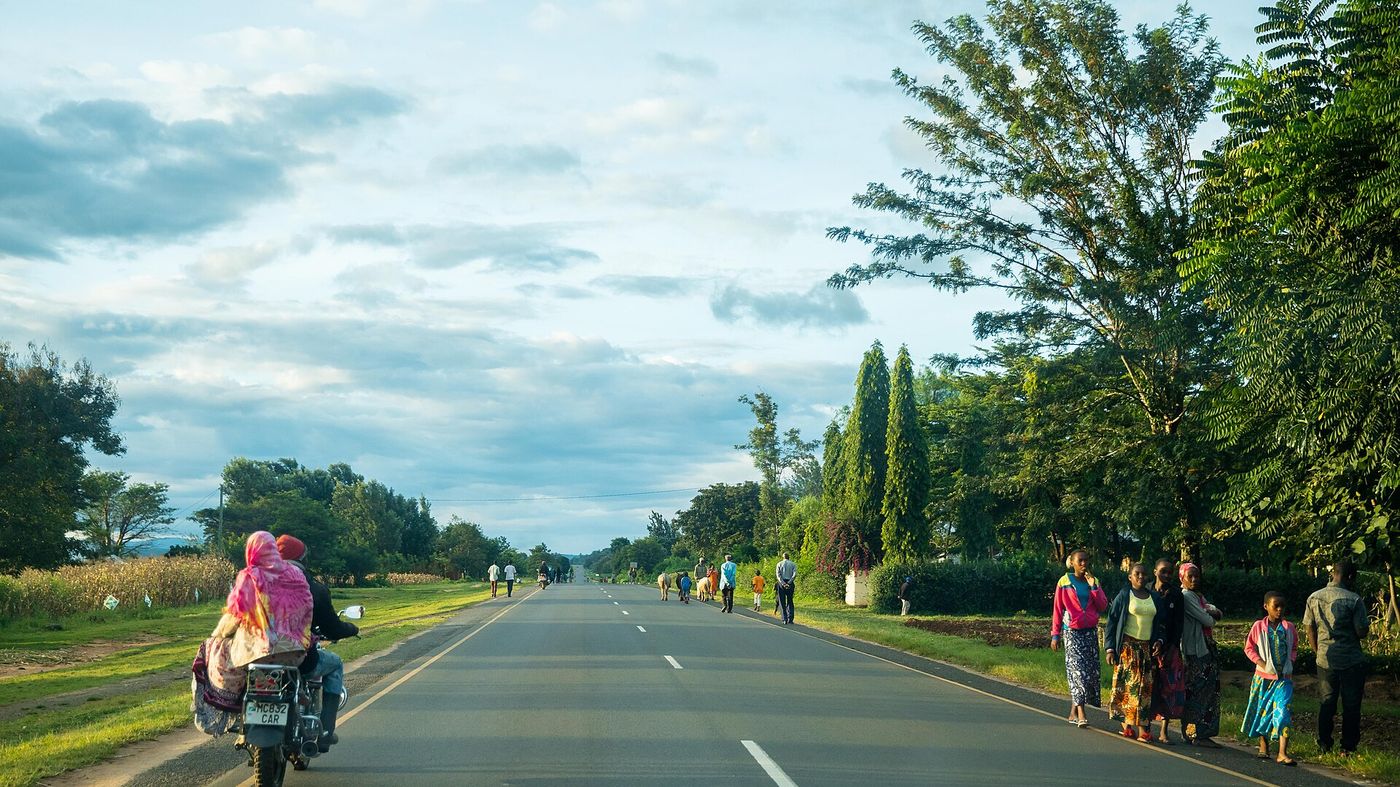
Nothing starts without the ward executive officer. Together we walk the sub-villages and build a register of households and the dogs attached to them — including the ones three families share.
Tell people it is coming
Two weeks of notice through the ward office, the churches and mosques, the primary school and the local radio slot. The message is the same in every channel: free, one day only, bring a rope.
Set the fixed point
A table in the village square from seven in the morning. Vaccination, deworming, a certificate for the household and a record number for the dog. Most families walk their dogs in themselves.
Go door to door for the rest
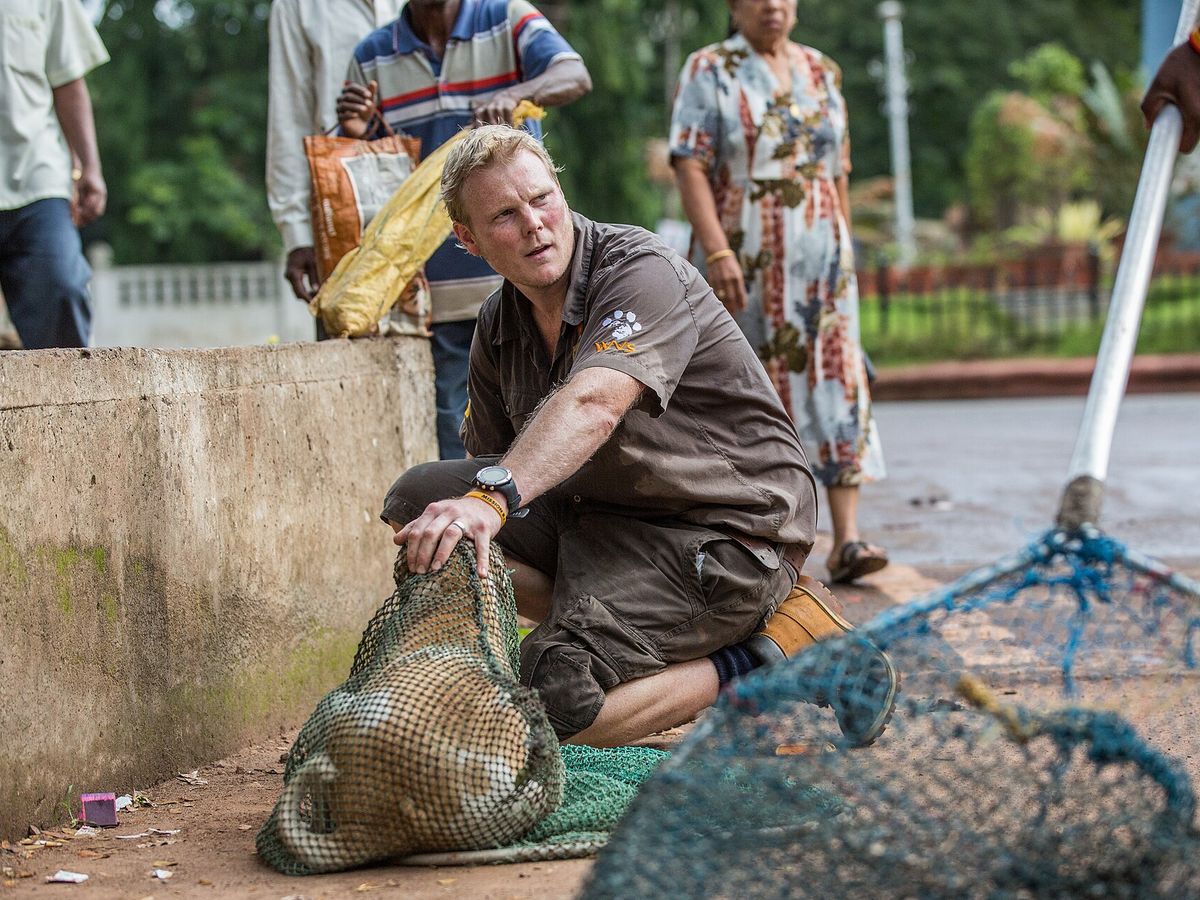
By midday the easy dogs are done. Two handlers then work the compounds and the market for the animals nobody brought — the shy ones, the sick ones, and the ones nobody claims.
Run the surgery tent
Between eighteen and twenty-four sterilisations, under a clean tarpaulin with a generator, an anaesthetic monitor and two surgeons. Dogs go home the same evening unless they need watching.
Close the register, then come back
Every record is entered the same night and reported to the ward the same week. We return to the same village a year later, which is the only part of this that makes the numbers hold.
Vaccination rounds
Rabies vaccination is the whole reason this organisation exists. The science is not in dispute: reach seventy per cent of the dogs in a defined area, repeat it annually, and the virus runs out of hosts. Below that threshold the effort is close to wasted, which is why coverage — not the raw number of shots — is the figure we report.
Each dog gets a three-year rabies vaccine, a deworming dose, a numbered certificate for the household, and an entry in the ward register. Where a household cannot produce the dog, we note it and come back.
- Coverage74% across four core wards in the 2025 round
- Cost per dogAbout TZS 31,000, including transport and records
- Reported casesNo human rabies death in the four core wards since 2021
Sterilisation
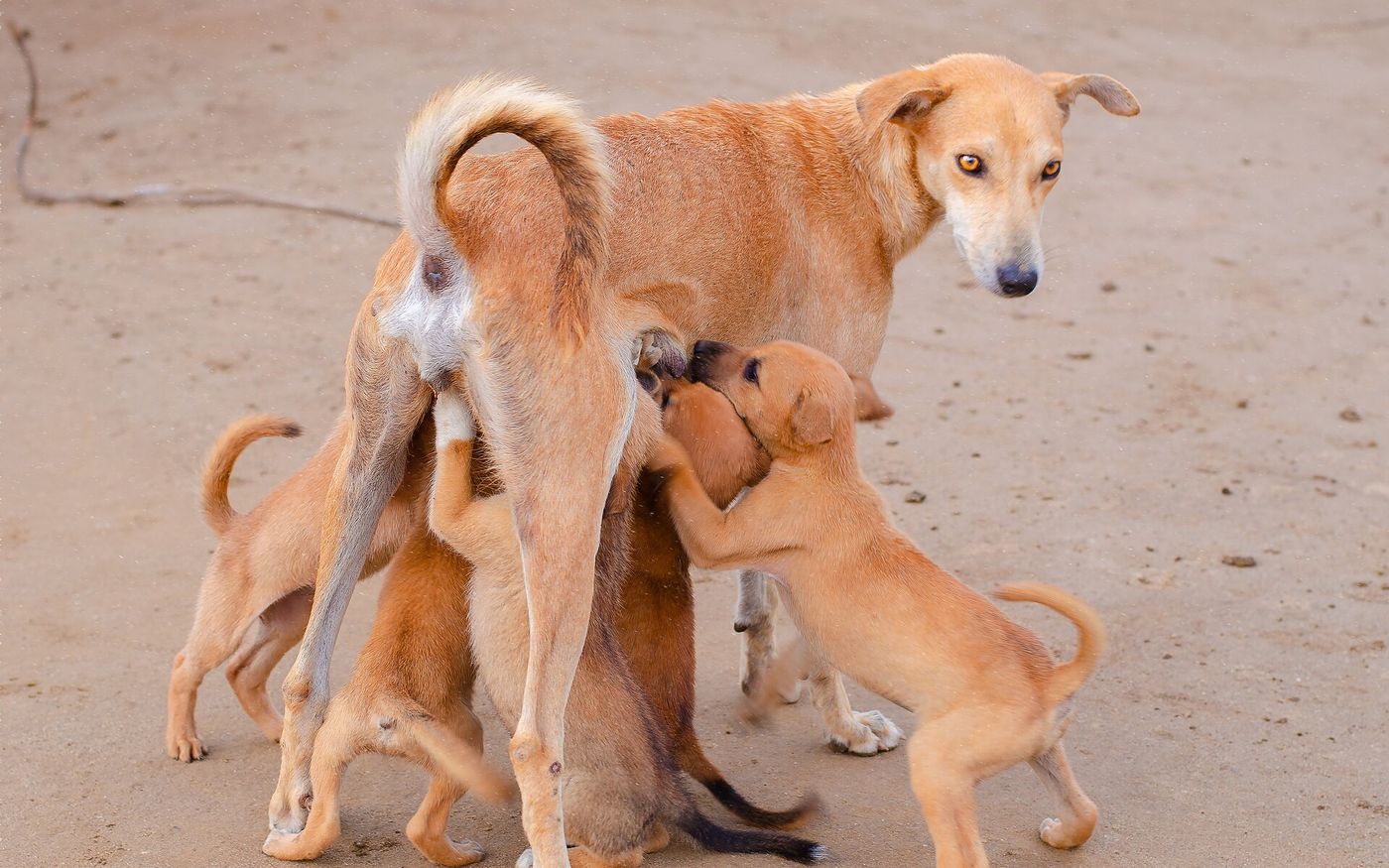
A female community dog can raise two litters a year, and in a bad year almost none of those puppies live past four months. Sterilisation is the humane way to bring the population down, and it is the part of the work that households ask us for by name once they have seen it done well.
Surgery happens in a field theatre: sterile packs, an anaesthetic protocol written for dogs in poor condition, warmed fluids, and pain relief sent home. Every sterilised dog gets a small notch in the left ear before she wakes up, so that the next team through the village can read her history from ten metres away.
- Per clinic day18 to 24 surgeries, two surgeons
- ConsentWritten, from the household that feeds the dog
- Complication rate1.4% of 2025 surgeries needed a second visit
Treatment and rescue
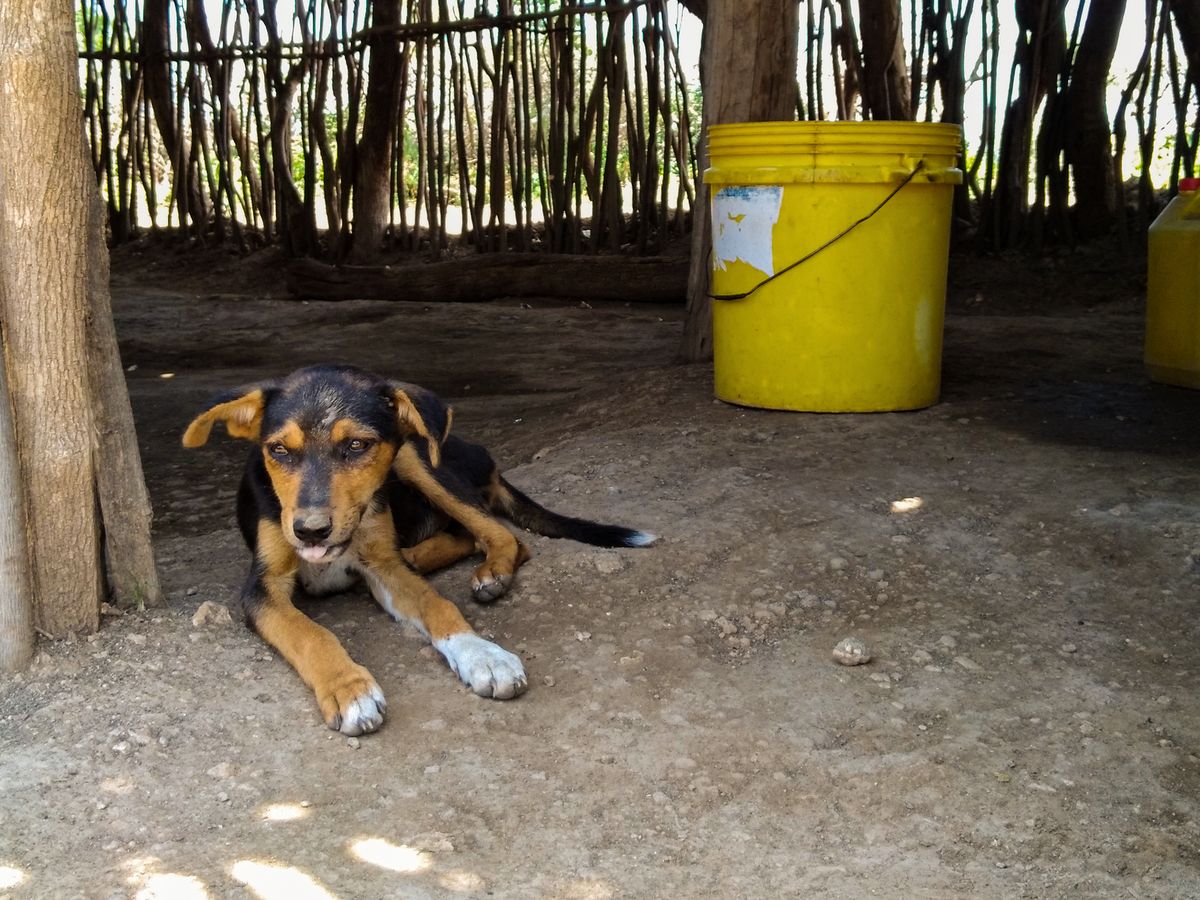
The call-out line runs seven days a week and is answered by whoever is on shift. The common cases are mange, snare and rope wounds, road injuries, tick fever and distemper. Most are handled in the compound where the dog already lives, on repeat visits, because taking an animal away usually loses it the household that was feeding it.
We keep twenty-six kennels in Arusha for the cases that cannot be treated in place — fractures, surgery, isolation, and the small number of dogs that will never have a home to return to. Those are the dogs listed for adoption.
- Call-out line+255 754 000 111, 7am to 9pm daily
- Treated in 20252,208 cases, 81% in the community
- Kennels26, kept deliberately small
Wards and schools
Children are bitten more than anyone else, and they are the least likely to tell an adult in time. The school session is forty minutes in Kiswahili, taught by someone from the same ward: how to read a dog that wants to be left alone, what to do in the first ten minutes after a bite, and why washing a bite with soap and water for fifteen minutes matters more than anything else that happens that day.
Alongside it we train village dog wardens — one or two people per sub-village who hold vaccination records, know which dogs belong where, and can call the line when something is wrong. They are paid a stipend by us and answer to their own ward.
- Schools in 202534 primary schools, 9,100 children
- Wardens22 trained and active
- LanguageKiswahili, with Maa in the pastoralist wards
What one clinic day costs
| Line | Quantity | Cost | USD |
|---|---|---|---|
| Rabies vaccine and syringes | 92 doses | TZS 174,000 | $67 |
| Anaesthetic and surgical consumables | 20 surgeries | TZS 132,000 | $51 |
| Fuel, Arusha to Selela and back | 186 km | TZS 62,000 | $24 |
| Field team, day rate | 5 people | TZS 75,000 | $29 |
| Ward warden stipend | 2 people | TZS 16,000 | $6 |
| Registers, certificates, printing | 1 clinic | TZS 9,000 | $3 |
| Total for the day | TZS 468,000 | $180 |
Nothing on this list is charged to the households whose dogs we treat. Vaccine is the largest line and the one that moves most with the exchange rate; we buy it in bulk once a year, which is why regular monthly giving is worth more to us than its face value.
What we do not do
We do not cull, and we will not work with a district that wants us to. We do not remove a dog from a household that wants it. We do not run a large shelter, because a dog in a kennel is a dog no longer being fed by anyone, and because kennels absorb money that vaccinates hundreds. And we do not fly healthy Tanzanian street dogs overseas as a programme — a handful of adoptions travel each year with adopters who came here first.
Fund the next clinic day
One hundred and eighty dollars puts the vehicle, the team and the drugs in a village square for a day — about ninety dogs vaccinated and twenty sterilised, at no cost to the households that feed them.