
11 September 2026 — Selela, Monduli
The gate at the end of the row
Ninety-two dogs, twenty surgeries, and a household that had said no for three years.
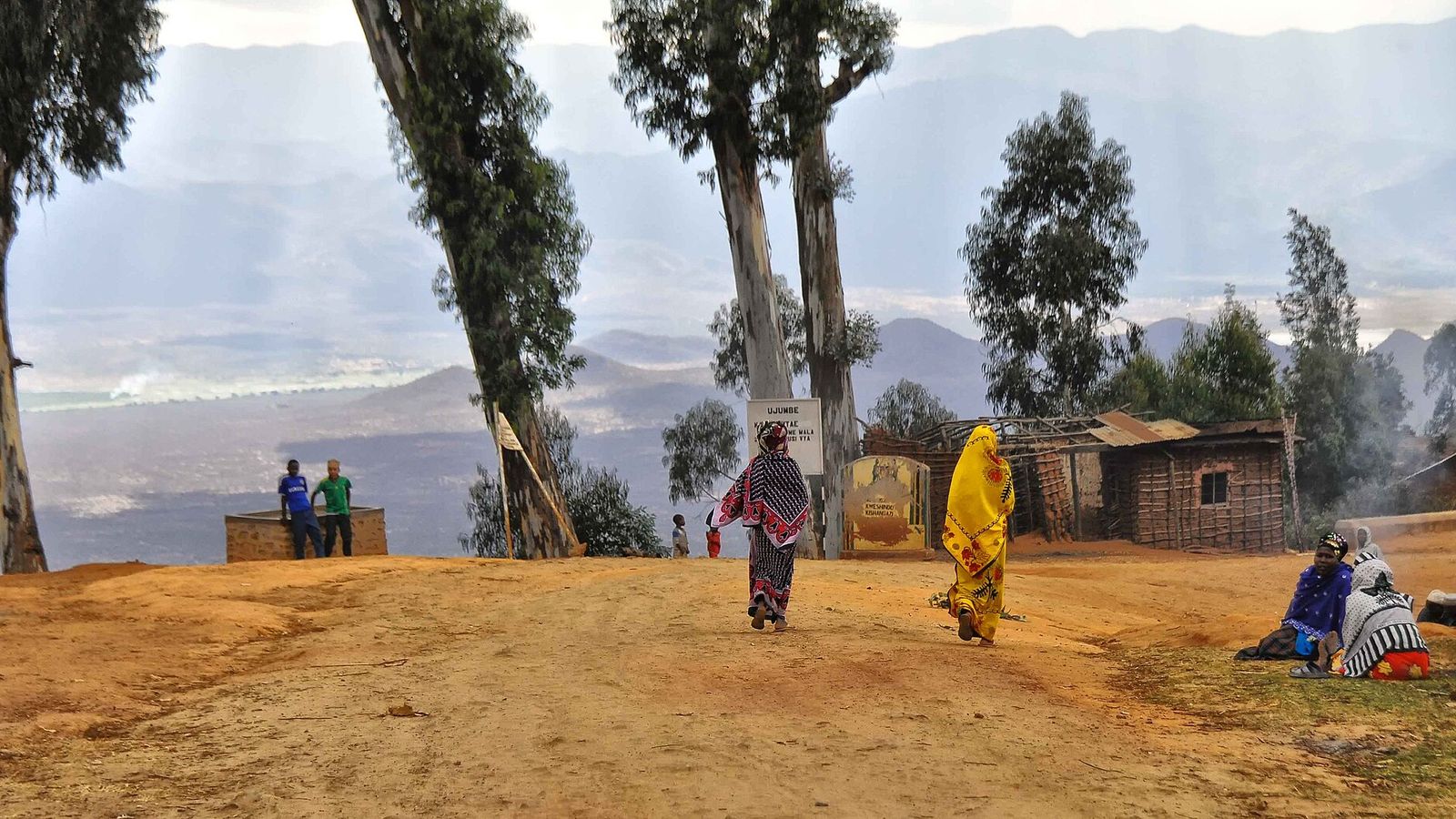
Selela is the ward we have covered every year since 2019, and it is the one we use to check whether any of this works. The register lists 412 dogs across 186 households, which is far too many for one day, so the ward gets three or four days a season. On Thursday we saw 92 dogs at the table and another 14 in their own compounds. Added to the 207 we did across two days in July and August, that puts Selela at 76% for the year — two points up on last September.
That number is not the reason anyone will remember the day.
Three years of no
There is a household at the end of the row past the dispensary that has refused us since 2023. Four dogs, all unvaccinated, all breeding. Every year Joseph has walked up, been offered a chair and a cup of tea, talked for twenty minutes and been told no. Nothing hostile about it. Just no.
The reason, which took us two years to hear properly, was that a neighbour's dog had died after a government vaccination drive in 2019. Nobody had explained what the injection was, nobody came back, and the dog died three weeks later of something almost certainly unrelated. That is the whole story. It was enough.
You cannot argue a person out of something they watched happen. You can only keep turning up until they have watched something else happen instead. Joseph Laizer, field operations
What changed was not us. It was the neighbour two gates down, whose bitch we sterilised in 2024 and who has spent the eighteen months since telling anyone who will listen that she no longer has puppies dying under her veranda every rainy season. On Thursday morning he walked up the row himself and stood in the yard while we worked.
All four dogs are now vaccinated. The two females are booked for surgery on 23 September. Records TDR-4513 through TDR-4516, which will be in next month's note.
The part that is just arithmetic
The day cost TZS 468,000, which is about $180: vaccine and syringes, anaesthetic and consumables, 186 kilometres of fuel, five people for a day, two ward wardens on stipend, and the printing. That is the standard cost of a clinic day in a ward this size and it has not moved much in two years.
Twenty sterilisations, no complications, all twenty dogs discharged the same evening except two we kept overnight because their households were a long walk away in the dark. Six dogs treated for mange and rope wounds. One dog, record TDR-4506, is still in the kennels in Arusha with a splinted hind leg from a road injury in Losirwa the week before.
We are back in Selela in September next year, which is the only sentence in this note that actually matters.
Fund the next clinic day
One hundred and eighty dollars puts the vehicle, the team and the drugs in a village square for a day — about ninety dogs vaccinated and twenty sterilised, at no cost to the households that feed them.