22 August 2026 — Engaruka Juu, Monduli
What we got wrong at Engaruka
We booked a clinic day in the middle of the sesame harvest. Thirty-one dogs came. Here is the arithmetic of that mistake.
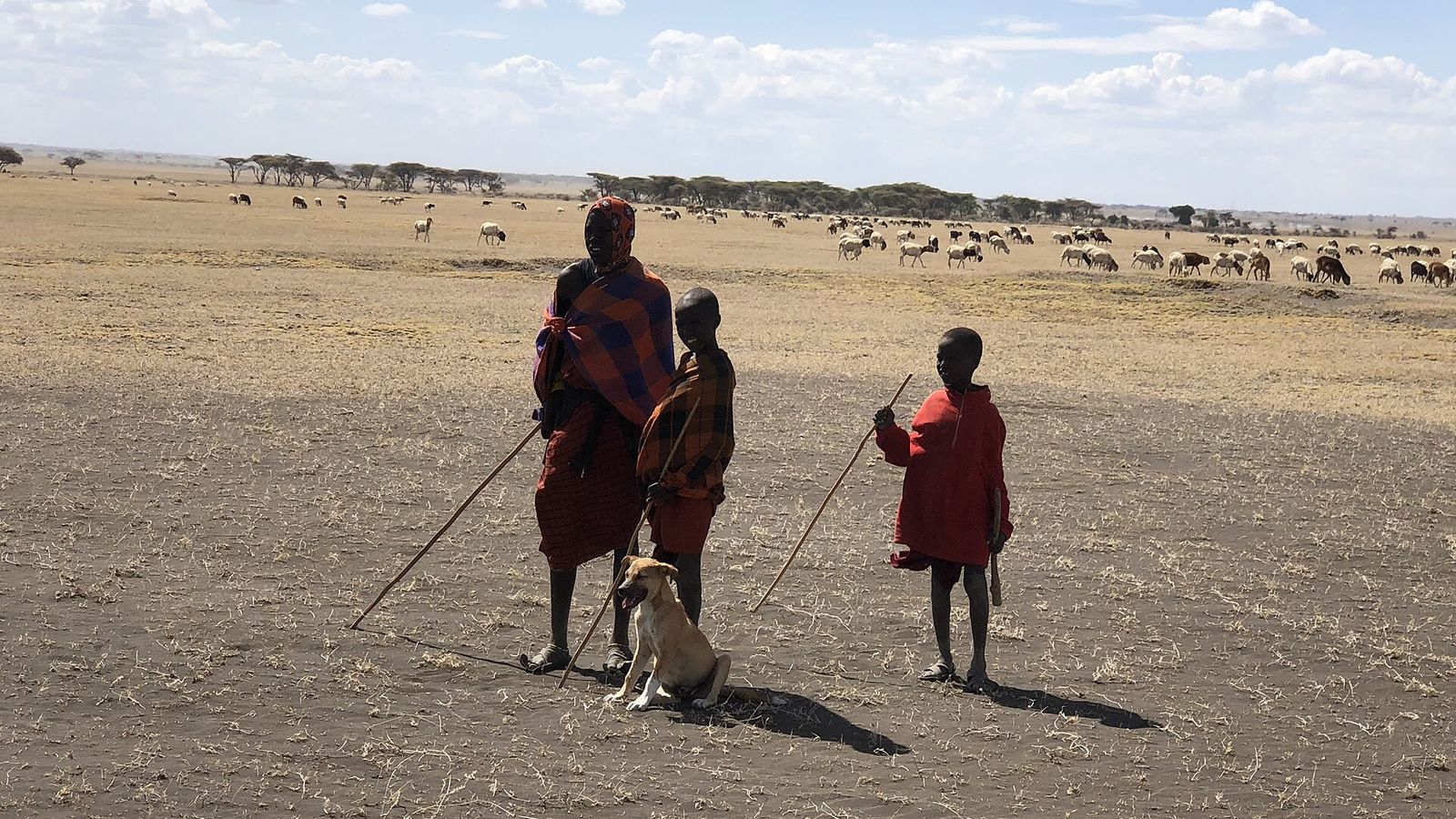
We ran a clinic day at Engaruka Juu on 20 August and vaccinated thirty-one dogs. We had planned for ninety. This note is about why, because we would rather write it down than quietly book another date and hope nobody compares the numbers.
The mistake
Engaruka harvests sesame in the second half of August. We have worked in this ward since 2021 and we know this. The date was set in March against vaccine delivery and the surgical team's availability, both of which were real constraints, and nobody in the room that day checked it against the agricultural calendar.
By the morning of the twentieth, most of the adults in the sub-village were in the fields from six until the light went. The dogs were with them or were lying up in compounds nobody was in. Our fixed point at the ward office had eleven dogs in the first three hours. The door-to-door team found twenty more and spent the afternoon knocking on gates that stayed shut.
Ninety per cent of a vaccination round is agreeing a date. We spend our time worrying about cold chain and we lost a whole day to a calendar. Dr. Neema Mollel, veterinary director
What it actually cost
A clinic day costs about $180 whether ninety dogs come or thirty-one do. The vehicle still drives 210 kilometres, the team is still paid, the generator still burns fuel, and the surgical packs that were opened are still used or discarded. Six sterilisations instead of twenty. On a per-dog basis this was the most expensive day we have run this year, at roughly $5.80 a dog against a normal $2.00.
The worse cost is the coverage figure. Engaruka Juu now sits at 44% for 2026. The threshold at which rabies stops circulating in a dog population is around seventy per cent, so a ward at forty-four is not partially protected — for practical purposes it is a ward where the virus can still move, and the thirty-one vaccinations we did buy are worth much less than they would be as part of a complete round.
What we are doing
We return to Engaruka Juu on 14 November, after the harvest and before the short rains make the escarpment road unreliable. The ward office has agreed the date and the wardens will announce it from the second week of October. The register for the sub-village lists 70 dogs; we reached 31 of them in August and expect to find around 19 more, which would put Engaruka Juu at roughly 71% for the year. Over the threshold, and only just.
We have also done the boring fix, which is that the planning sheet for the 2027 round now has a column for what each ward is doing agriculturally in the month we have chosen. It should have had one in 2021.
The year-by-year coverage table will carry the 2026 figure for this ward whatever it ends up being. A coverage number that only ever goes up is not a real one.
Fund the next clinic day
One hundred and eighty dollars puts the vehicle, the team and the drugs in a village square for a day — about ninety dogs vaccinated and twenty sterilised, at no cost to the households that feed them.