Dr. Neema Mollel
Veterinary director
Sokoine University graduate, eleven years in field surgery. Sets the anaesthetic and surgical protocols and signs off every clinic day.
About us
A Tanzanian veterinary team of eleven, working across two regions from a yard on Njiro Road in Arusha. The work is not complicated. Doing it in the same villages every single year is the hard part.
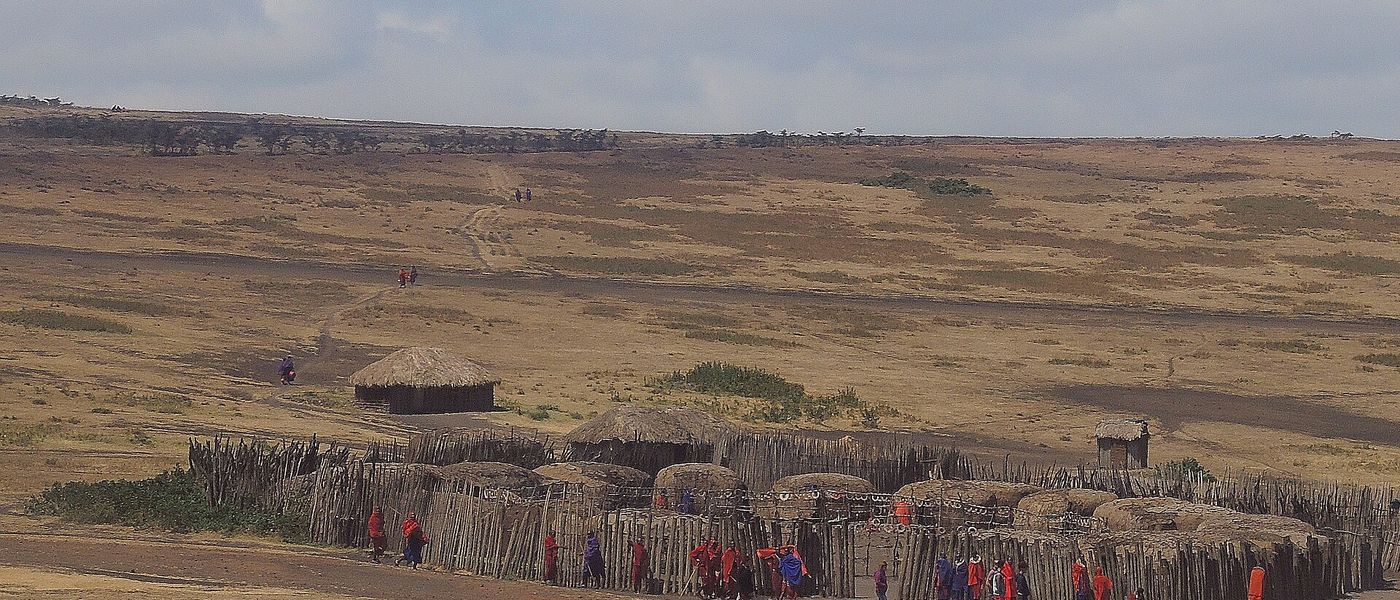
In 2016 a child in Selela died of rabies six weeks after a bite that nobody had treated. The district had run vaccination campaigns before, in bursts, whenever a donor appeared. There was no register, so nobody could say how many dogs had been reached, and the following year the campaign started again from nothing.
Tiny Dog Rescue Foundation was set up to do the boring half of that work properly: the same villages, the same months, every year, with a record for every animal. We started with one vehicle, two vets and eleven villages. The round is now sixty-one villages, and the same four wards have been covered every single year since.
The name has not changed since that first season, and we have kept it because it describes the method rather than the ambition: this work is done one small dog at a time. The paw in our mark carries the notch a sterilised dog wears in her ear — the readable, permanent proof that one more animal has been counted.
| Year | Villages | Dogs vaccinated | Coverage |
|---|---|---|---|
| 2016 | 11 | 1,940 | 31% |
| 2018 | 24 | 4,610 | 52% |
| 2020 | 31 | 3,180 | 38% |
| 2022 | 44 | 6,905 | 64% |
| 2024 | 56 | 8,120 | 71% |
| 2025 | 61 | 8,840 | 74% |
2020 is the year the round broke. Movement restrictions cost us a full season, coverage fell fourteen points, and two wards saw rabies cases again the following year. It took until 2022 to climb back. We publish it because a coverage figure that only ever goes up is not a real one.
Eleven people, of whom nine are clinical or field staff. Two of us work on money and paperwork, and we would like to keep it that way.
Veterinary director
Sokoine University graduate, eleven years in field surgery. Sets the anaesthetic and surgical protocols and signs off every clinic day.
Field operations
Plans the annual round, negotiates with wards, drives the vehicle and knows which gate to knock on in every village on the list.
Community programmes
Runs the school sessions and the warden training. Was a primary school teacher in Monduli for nine years.
Surgery lead
Splits the week between the surgery tent and the kennels. Trains visiting vets on high-volume sterilisation technique.
Records and reporting
Keeps the register. Turns four thousand paper forms a year into the coverage figures the district health office actually uses.
Partnerships and funding
Handles donors, grants and the annual audit, and writes the monthly clinic notes that go out to supporters.
Of every hundred shillings given in 2025, 77 were spent on drugs, surgery and the field team.
Our accounts are audited annually by a firm in Arusha and filed with the Registrar of NGOs. The audited statements and the annual coverage report are sent to every supporter who asks, and to the district veterinary office whether they ask or not.
They are the only people who come back in a year when they say they will.
Dr. Fatuma Ngowi, district veterinary officer, Monduli
Working with us since 2018
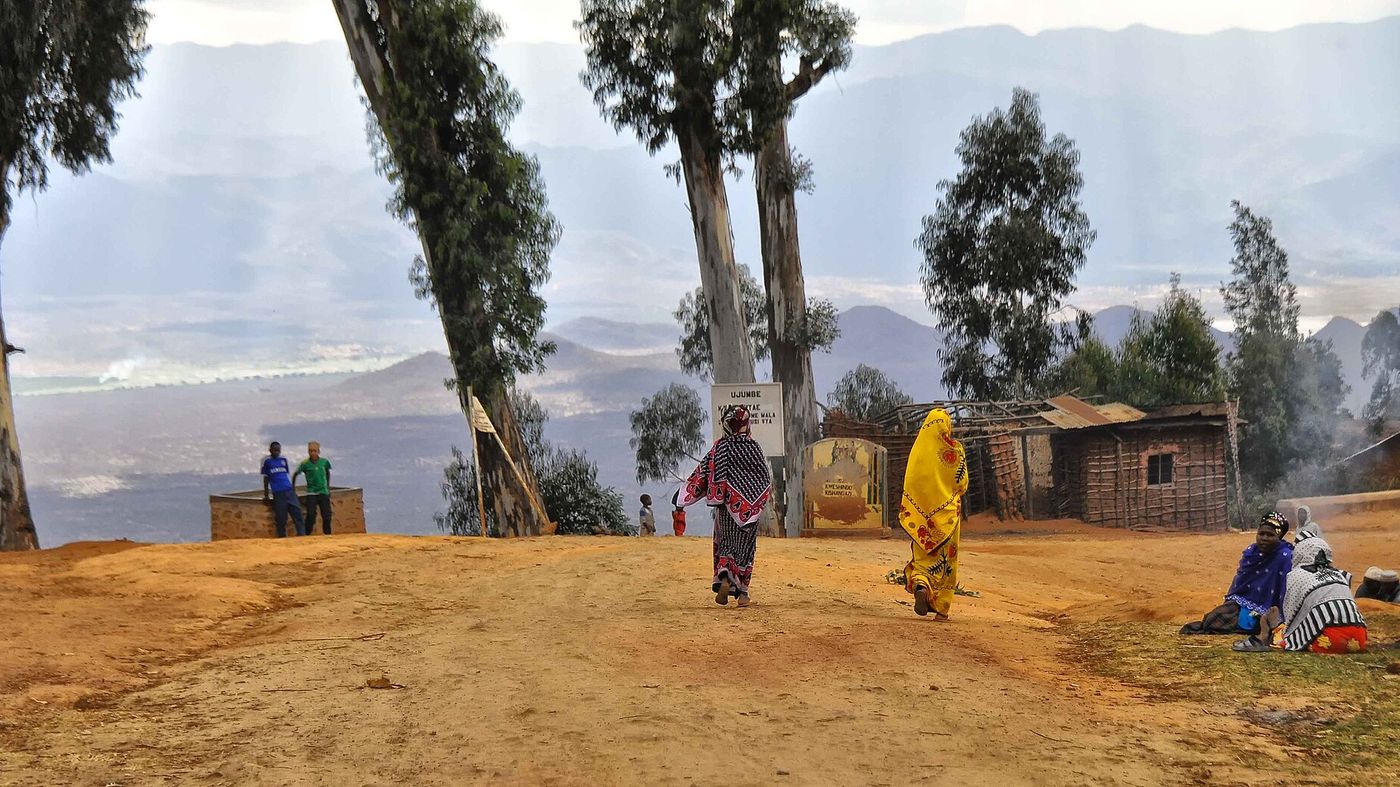
One hundred and eighty dollars puts the vehicle, the team and the drugs in a village square for a day — about ninety dogs vaccinated and twenty sterilised, at no cost to the households that feed them.